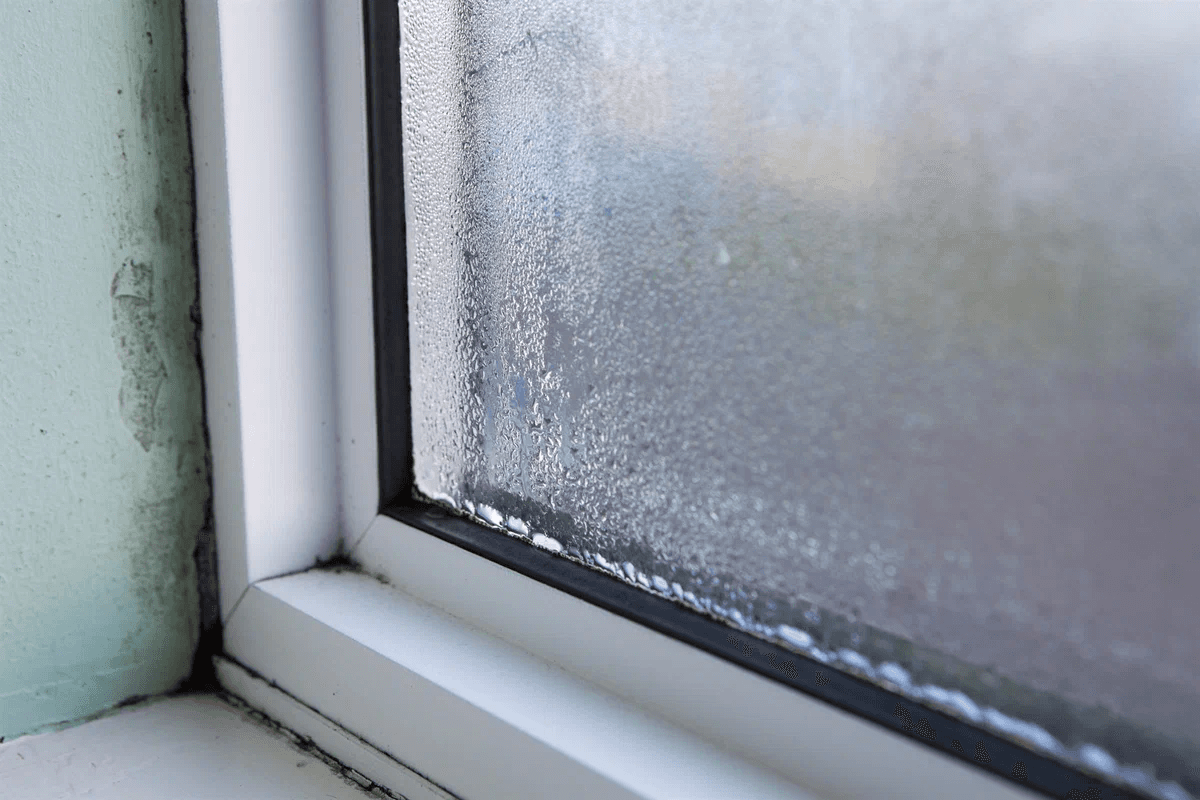
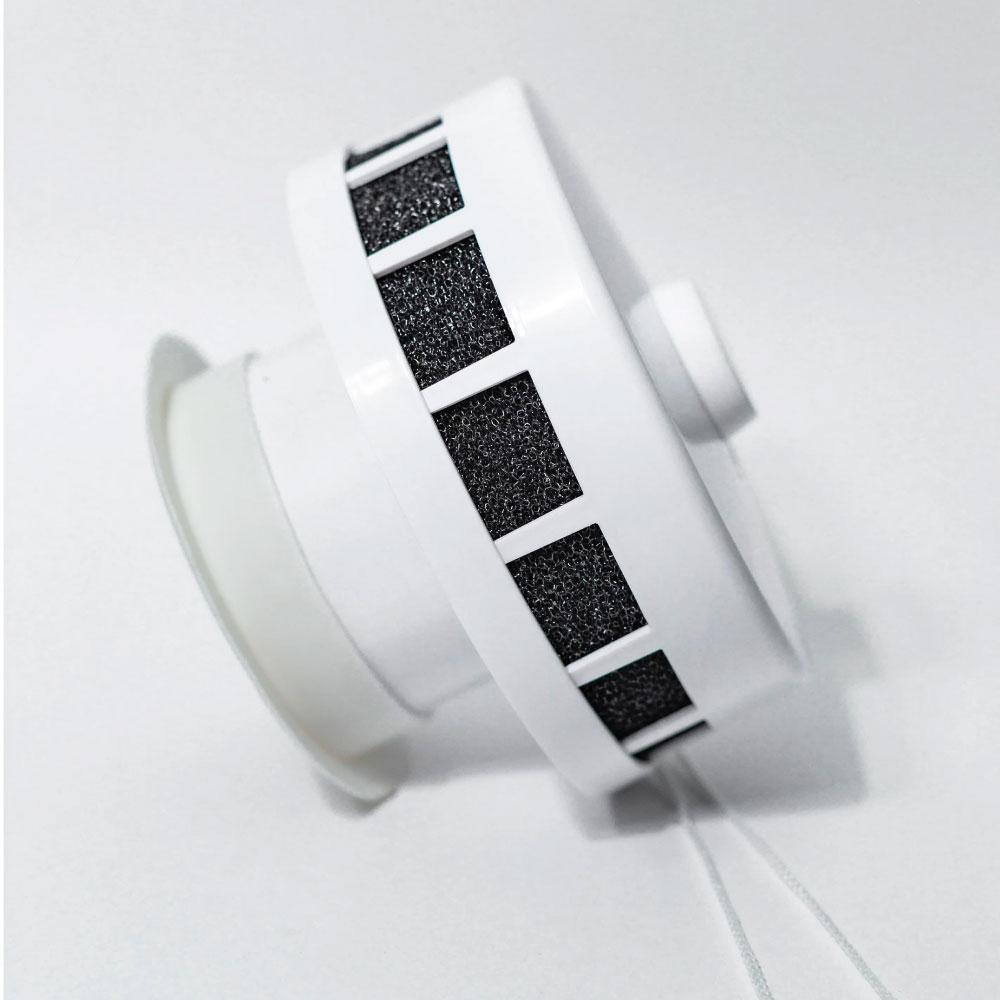
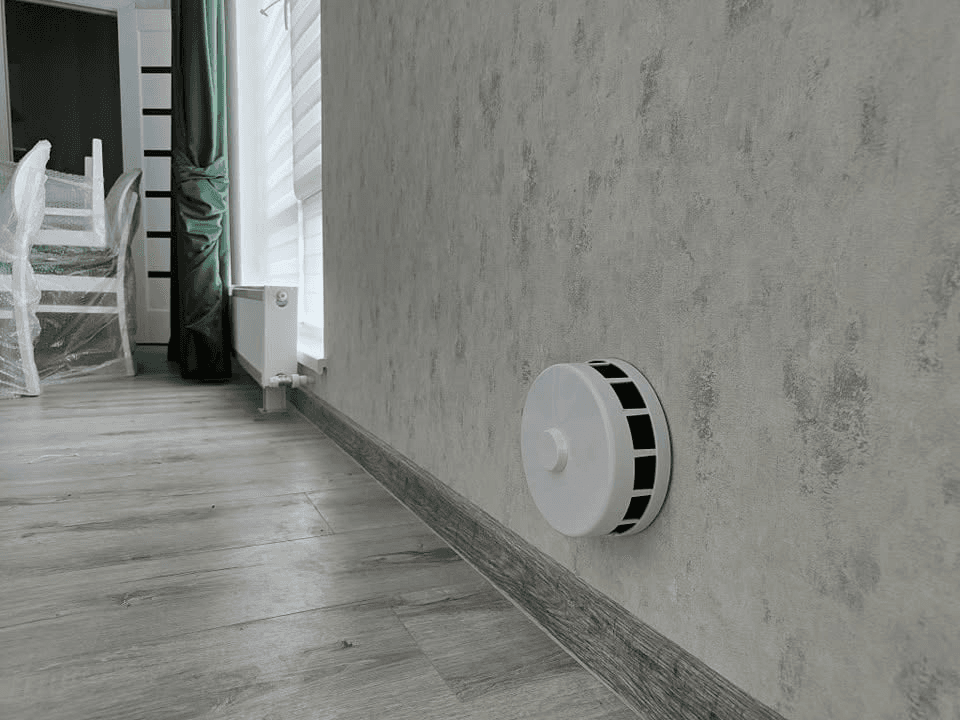
| In the morning the glass is wet on the inside | At night one or two people sleep in the bedroom with the window closed. Every exhalation releases water vapour into the air. Without micro-ventilation, moisture builds up overnight and settles on the cold glass. | With the valves open and natural draft present, fresh air enters the bedroom and humid air leaves outside. The window can stay closed all night, and by morning there may be less condensation on the glass. |
|---|
| In freezing weather the windows fog up every day | In winter windows are kept closed for long periods to retain heat and avoid a cold draught. With weak air exchange, moisture from breathing, cooking, showering and drying laundry stays in the house. | Regular supply and extract help remove moisture throughout the day. If the windows fog up because of weak air exchange, adequate ventilation can make the condensation disappear. |
|---|
| Window reveals and corners become damp, mould appears | Cold surfaces regularly get wet and take a long time to dry. Constant dampness creates conditions for mould growth. | Lower humidity helps surfaces dry out and reduces the risk of mould returning after removal. |
|---|
| The kitchen window fogs up while cooking, even with the extractor on | Cooking on the hob or in the oven releases steam into the air. An extractor vented outdoors removes humid air, and fresh air must take its place. If the windows are closed and there is little air intake, some moisture stays in the kitchen and settles on the cold glass. | If the kitchen already has an extractor vented outdoors or a working ventilation shaft, it can be supplemented with one intake valve. Fresh air enters through the valve from outside, while humid air leaves through the extractor or shaft. This way the kitchen is ventilated while cooking without opening the window fully and letting in a cold draught. |
|---|
| Behind a wardrobe against an exterior wall there is a musty smell or dark patches | Behind furniture placed flush against a cold wall, air moves poorly. Moisture in that spot takes longer to dry. | Ventilation lowers humidity in the room. If you leave a gap behind the wardrobe, air can circulate better along the wall and the surface will dry faster. |
|---|

 +373 79 717 214