Article cover: Ozone Treatment: When It Helps and How the Process Works

Ozone Treatment: When It Helps and How the Process Works

After cleaning, the room still smells of smoke? Or a musty smell remains after the dampness is fixed? In such cases, professional ozone treatment can be considered. It is an additional treatment of an empty room, used to reduce certain stubborn odours. Under controlled conditions, ozone can also reduce the number of some microorganisms on open surfaces.
What an ozonator does

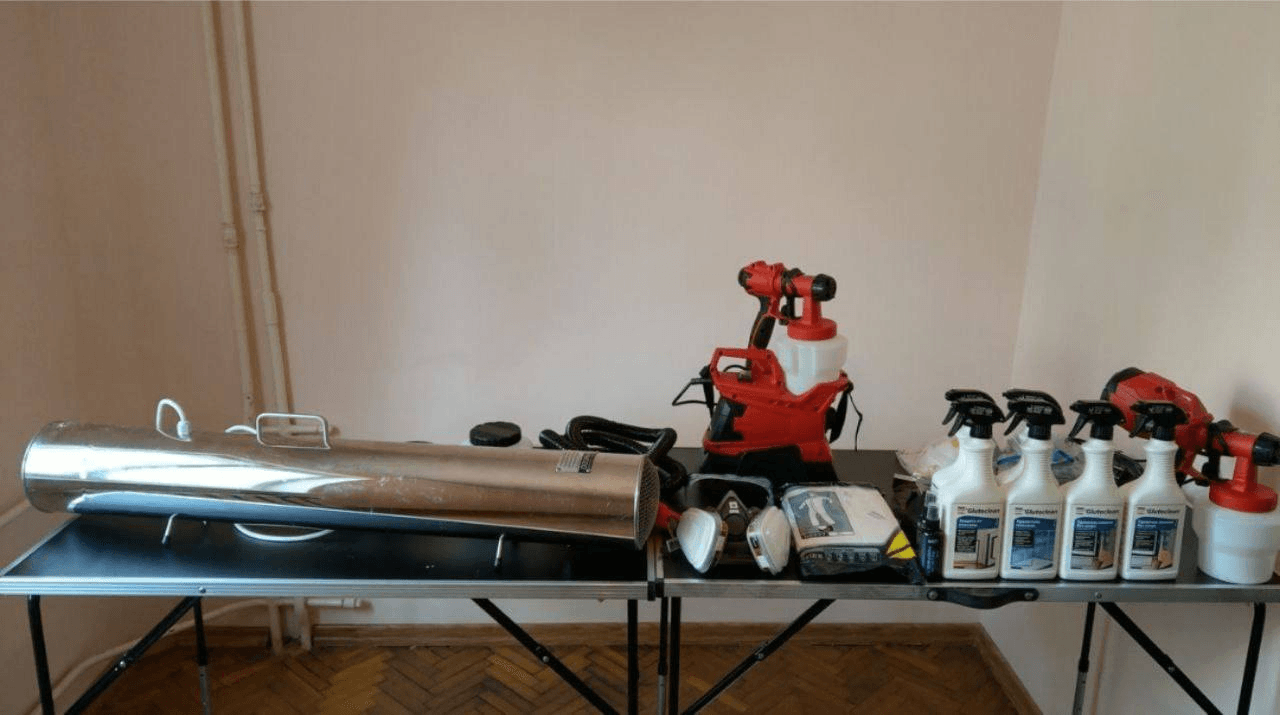
An ozonator produces ozone — a gas that spreads through the air in the room and reacts with certain substances that cause odours. The result depends on what caused the smell and where its source is. For example, if the contamination has soaked deeply into a carpet, one treatment may not be enough. In that case, separate cleaning or replacement of the material may be needed.

When ozone treatment may help

What you noticeWhen ozone treatment makes sense
A smell remains after smokeSoot is removed and surfaces are cleaned first. If the smell persists after cleaning, a specialist can assess whether ozone treatment is suitable as an additional treatment.
A musty smell remains after the dampness is fixedFirst the source of moisture is removed, the room is dried and mould is removed. If the smell remains, it is worth finding out where it comes from. Ozone treatment can be considered once the source has been found and eliminated.
Additional surface treatment is needed after cleaningIn controlled tests, ozone reduced the number of some bacteria. In real rooms the effect varied, so thorough surface cleaning remains the foundation.

Why the room must be empty

Isolating the room lets the specialist control where the ozone spreads and limit it from reaching neighbouring rooms. During treatment, no people or pets should be in the area, since inhaling ozone can irritate the respiratory tract. After the procedure the room is ventilated, and you can return once a measurement confirms a safe ozone level. This level cannot be determined by smell.

What to choose if your home is damp and the windows fog up

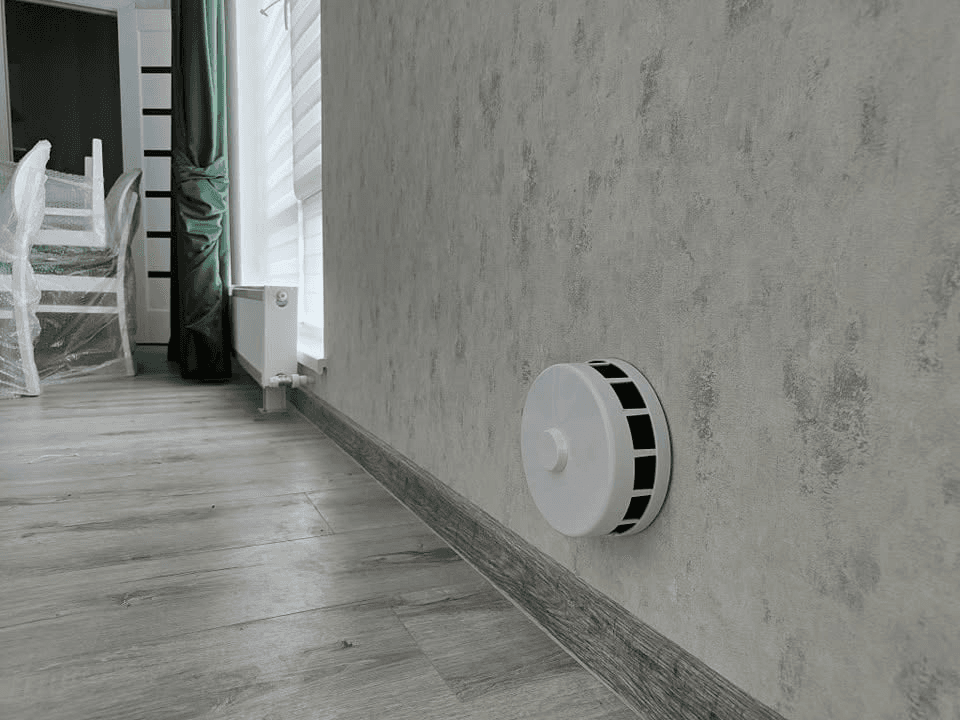
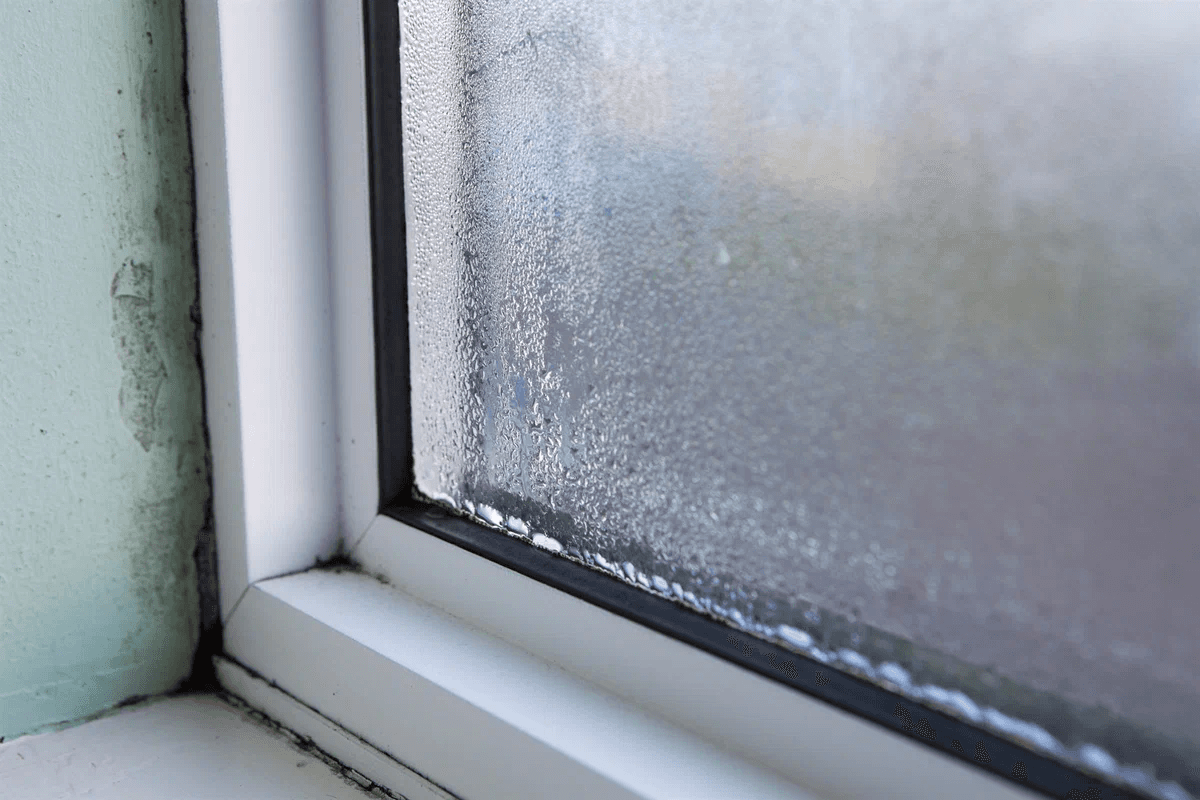
If droplets regularly collect on the glass, the window reveals stay damp, or mould keeps coming back, start with the cause of the moisture. With weak air exchange, supply and extract ventilation help remove humid air regularly. If the cause is a leak, fix it first and dry the damaged area. In this situation, ozone treatment is worth discussing separately — once the dampness is gone but a stubborn smell remains. Tell VentPrime what worries you: condensation on the windows, dampness or a persistent odour. We'll help you work out where to start in your home.

More articles